Winter Adventure Checklist for the Scottish Highlands
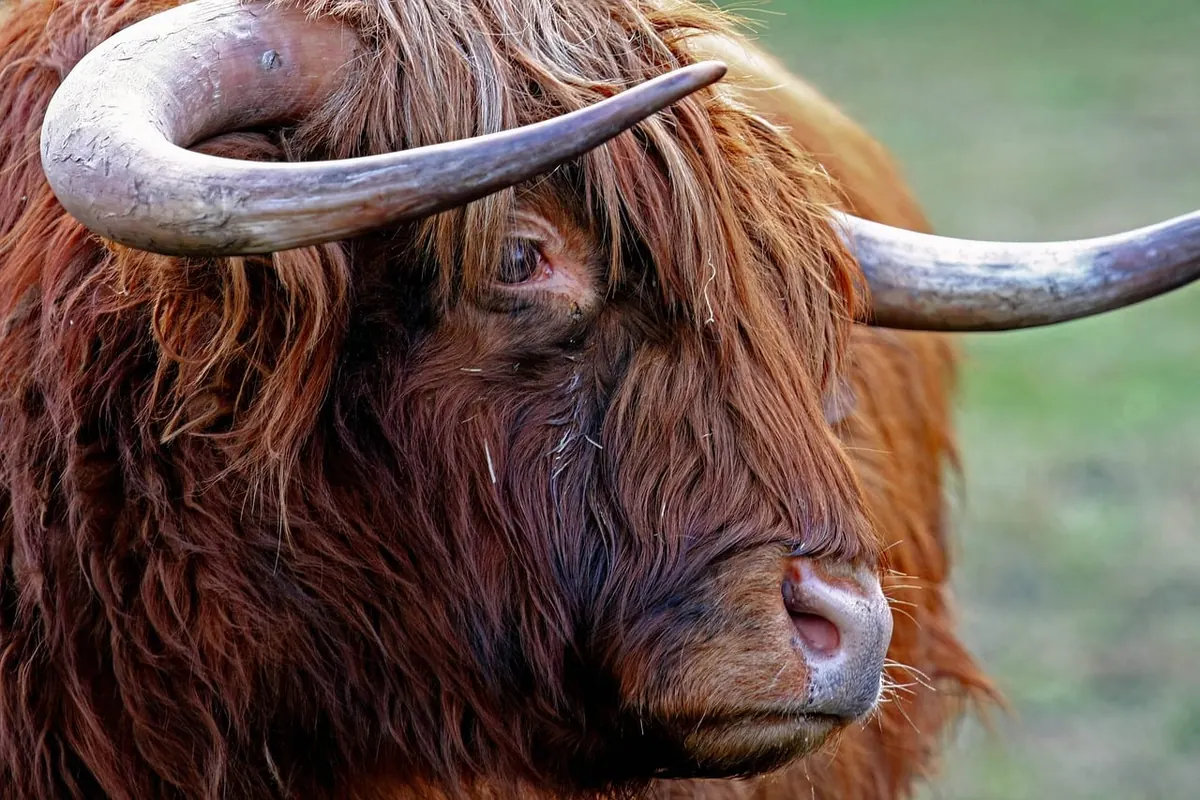
Winter in the Scottish Highlands is a different country. Paths that felt straightforward in July become ice rinks, cloud can swallow a ridge in ten minutes, and the sun can be down by half three in the afternoon. That is exactly what makes it so good — but it also means the casual approach that works in summer will not carry you through January.
This checklist is built around a single idea: deal with the big things in the right order. Weather first, then clothing, then navigation, then safety and fuel. Get those right and a winter day out becomes one of the most rewarding things you can do in Britain.
Start With the Weather, Not the Gear
Before you touch a rucksack, look at the forecast. Two sources are worth your time. The Met Office mountain forecast gives you summit temperatures, wind speeds and the likelihood of cloud-free tops; the Scottish Avalanche Information Service (SAIS) publishes daily avalanche reports for the main Highland areas from December through to spring. Read both, and read them on the morning you go, not the night before.
Then ask three blunt questions. How strong is the wind on the summit? Is the freezing level above or below where I plan to walk? And what does the cloud base look like? Wind is the one people underestimate most. A steady 40 mph on a Cairngorm plateau will decide your day far more than the temperature will.
Be honest about your own experience too. Winter conditions add a grade to almost everything. A route you would happily walk in summer may need an axe, crampons and the skill to use them in winter.
Dress in Layers You Can Actually Change
One big jacket is not a system. Layers you can add and remove through the day are. Start with a close-fitting synthetic or merino base layer, add a fleece or light synthetic mid layer, and carry a synthetic insulated jacket for stops and emergencies. Over the top, a waterproof shell with taped seams and a hood that stays put in wind.
Cotton is the one fabric to leave at home. It holds water, dries slowly and pulls heat out of you when you stop.
- Legs: softshell or walking trousers, waterproof over-trousers packed every time.
- Hands: two or three pairs of gloves, including a warm pair for stops. Wet gloves are the most common reason people cut a day short.
- Head: hat, buff or balaclava, and goggles if there is any chance of spindrift.
- Spares: a dry hat and gloves sealed in a bag, plus a spare layer you never plan to wear.
Feet and traction
Boots need to be stiff enough for the ground you are on and waterproof enough to survive a full day of wet snow. Pair them with the right crampon: a flexible B1 boot takes a strap-on crampon, a B2 takes a semi-automatic, and a B3 takes a fully automatic step-in. Getting this mismatch wrong is dangerous, not just uncomfortable.
For low-level paths and icy tracks, lightweight spikes are a sensible compromise. For anything steep, you want proper crampons and a walking axe — and you want to have practised using them on a safe slope before the day you need them. If that is new to you, a winter skills course with a qualified instructor is money well spent.
Navigation You Can Trust in a Whiteout
A phone is a useful backup. It is not your primary navigation tool in winter, when cold drains batteries fast and screens fog up. Carry a paper map in a waterproof case, a baseplate compass, and the knowledge to use both.
Check your map choice against the day. Explorer 1:25,000 sheets are excellent for low-level and path work; Landranger 1:50,000 or a specialist mountain map suits longer hill days. Before you set off, note the bearings you might need, the distance between key features, and how many paces that is for you at 100 metres. Counting paces feels old-fashioned until the cloud comes down and there is nothing to see.
Timing matters as much as direction. Naismith's rule — roughly four kilometres an hour on the flat, plus about a minute for every ten metres of ascent — is a good starting point, but add time for snow, poor visibility and a group. In midwinter you may have barely seven hours of usable daylight, so plan to be down well before dusk rather than hoping to squeeze it in.
Safety: Someone Should Always Know Your Plan
Leave a route card with someone at home: where you are going, your intended route, your estimated finish time and the vehicle details. Agree a time by which they should raise the alarm if they have not heard from you. Then stick to the plan, or let them know if you change it.
Carry an emergency kit that assumes you may have to sit still in bad weather for a while:
- Group shelter or bothy bag, plus a foil blanket
- Head torch with spare batteries
- Whistle, first aid kit and any personal medication
- Spare food and a hot drink in a flask
- Fully charged phone in a waterproof pouch, plus a power bank
A personal locator beacon or satellite messenger is worth considering for remote areas where there is no mobile signal. In an emergency in the UK, dial 999 or 112 and ask for the police, then mountain rescue.
Watch for the signs of cold taking hold: uncontrolled shivering, clumsiness, slurred or confused speech. Get the person out of the wind, into dry layers and into a shelter, and give them something warm and sweet to drink. If someone stops shivering or becomes confused, treat it as serious and get help. If you are ever unsure about a medical situation, speak to a professional.
Fuel, Water and the Short Winter Day
Cold burns energy faster than most people expect, and eating with gloves on is awkward. Pack food you can eat one-handed: flapjack, nuts, sandwiches cut into pieces, chocolate that will not shatter into shards. Drink before you feel thirsty, and keep your flask inside your rucksack rather than in an outer pocket where it will chill.
Water is usually plentiful in the Highlands, but always treat it — a filter or purification tablets are light and remove any doubt. In hard frost, small streams may be frozen, so plan to top up lower down rather than relying on a high-level source.
Finally, set a turnaround time and honour it. Turning back at two in the afternoon with the summit in cloud is not a failed day; it is the decision that keeps you around for the next one.
The Night Before: A Final Ten-Minute Check
Lay everything out, then run through it once: forecast and avalanche report checked, route card left with someone, map and compass in the bag, head torch tested with spare batteries, crampons matched to boots, food and flask packed, and a dry layer sealed in a bag.
Get an early night, eat a proper breakfast, and give yourself time to get to the start. The Highlands in winter rewards patience and preparation, and it punishes rushing. Prepare well, stay flexible, and you will have a day worth remembering for all the right reasons.
Photo: Andhoj / Pixabay