Hostels vs Budget Hotels: A Comparison for UK Travellers
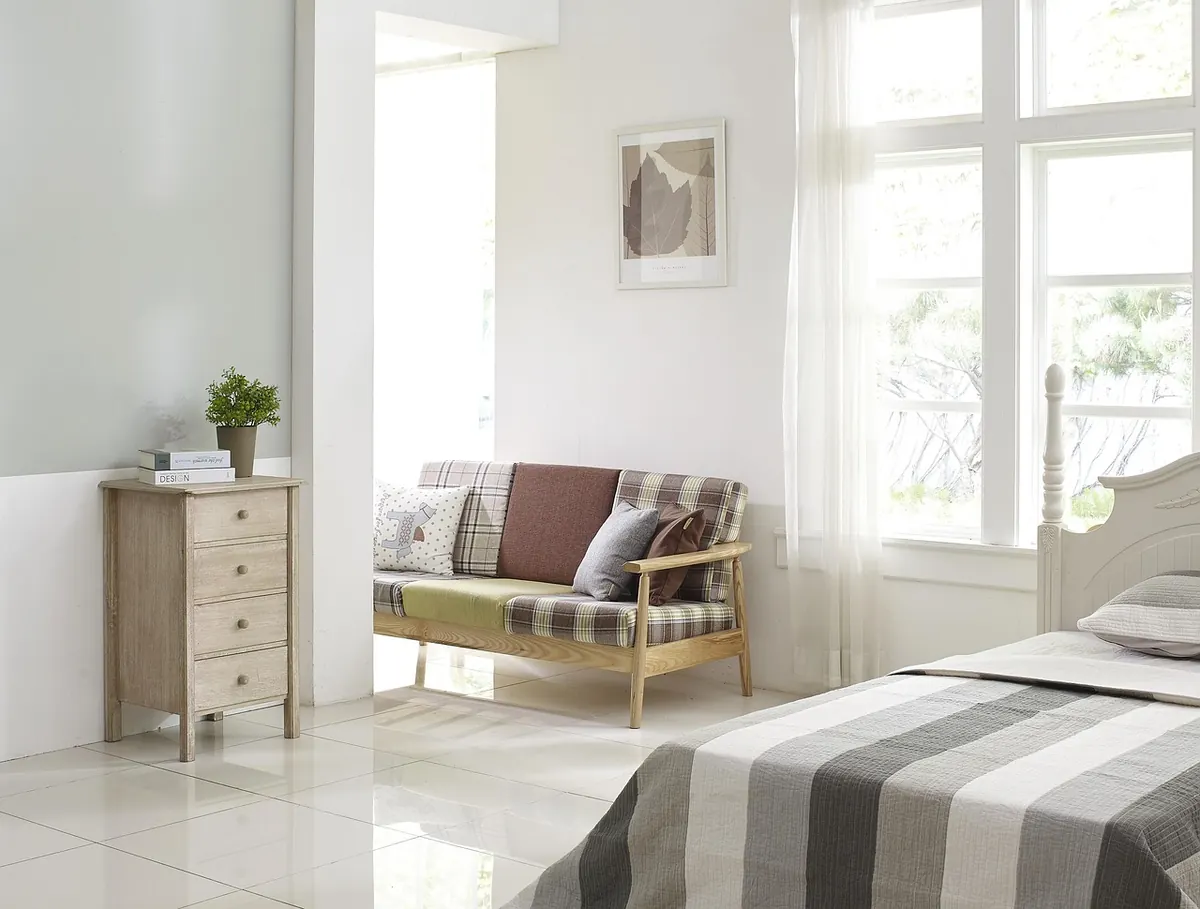
Two nights in Copenhagen. A train to Glasgow for a gig. A week of city-hopping where the bed is simply somewhere to sleep between long days out. Somewhere between booking the flights and packing your bag, you weigh up a hostel bunk against a budget hotel room — one cheap and shared, the other pricier and private.
Neither wins by default. The better choice comes down to how much privacy you need, how well you sleep with strangers nearby, and whether you would rather save money or save hassle.
Start With the Shape of Your Trip
Before you look at a single price, answer three questions: how many nights, how many people, and how early do you need to be somewhere in the morning?
A three-night solo trip where you leave after breakfast and roll back at midnight is a different proposition from five nights away with a partner, or a weekend where you need two quiet hours of work each evening. Hostels suit the first. Budget hotels usually suit the second and third.
Be honest about your own tolerance, too. Some people sleep soundly in a room with five strangers and a creaking door. Others lie awake listening to someone unpack a plastic bag at 2am. There is no prize for choosing the cheaper bed if you come home exhausted.
Cost: Where the Money Actually Goes
A dorm bed is usually the cheapest roof in any city, and the gap between a dorm and the cheapest private room can cover a good chunk of your food budget. But the headline rate is not the whole cost. Watch for these:
- City taxes and tourist levies, charged per person, per night. They are added separately, so they look small in the listing and add up on the bill.
- Breakfast. A hostel that includes a decent one can beat a hotel that charges extra for it.
- Luggage storage. Hostels often hold bags free before check-in and after check-out. Some hotels charge, or have nowhere to put them.
- Transport. The cheapest bed is rarely in the middle of town. Add the metro fare or taxi and the saving narrows fast.
Run that sum before you decide. A slightly pricier room five minutes from the station can work out cheaper overall than a bargain bunk forty minutes out of town.
Privacy and Sleep
This is where the two options separate most sharply.
Dorm rooms
A bed, a locker if you are lucky, a shared bathroom down the corridor. You do not control the lights, the temperature or the noise. Earplugs, an eye mask and a padlock are not optional extras — treat them as part of the price.
Private rooms in hostels
Easy to overlook. Many hostels sell single, double and family rooms at prices well below a budget hotel, with the kitchen and common areas still included. You give up the anonymity of a hotel corridor and get a very good deal.
Budget hotel rooms
A door that locks, your own bathroom, and the freedom to switch on a light at 6am without apologising. Quality varies enormously, though. Some budget hotels are compact and spotless; others are tired, thin-walled and next to a dual carriageway. Read recent guest reviews and look at photos taken by travellers rather than the marketing shots.
Facilities: Kitchens, Lockers and Bathrooms
Hostels almost always win on self-catering. A shared kitchen means pasta, a filled water bottle and a much lower daily spend, which matters most on longer trips. Common rooms are the other draw, and the main reason solo travellers pick a hostel: it is far easier to find company over a shared table than in a hotel lobby.
Budget hotels tend to win on reliability. Hot water, towels, a kettle, a hairdryer, reception staffed through the night. No queue for the shower, no wondering whether the kitchen will be free at eight.
Bathrooms are the detail people forget. In a hostel, check how many bathrooms serve each dorm and whether any are en-suite. In a hotel, check that the room has a private bathroom at all — some budget listings advertise shared facilities and mean exactly that.
Booking Flexibility and Cancellation
Read the cancellation terms before you pay, not after your plans move.
Hostels often take a deposit and charge the balance on arrival. Many offer free cancellation up to 24 or 48 hours before, while the cheapest non-refundable rates are strict. Group bookings and big event weekends usually come with longer notice periods.
Budget hotels follow a similar split: a flexible rate you can cancel, and a cheaper one you cannot. If your dates are certain, the non-refundable rate is often the better value. If the trip depends on a football fixture, a work rota or a friend's plans, pay the small premium for flexibility.
Check the check-in window as well. Some hostels run reception hours and use self check-in codes; some small hotels lock up late at night. Arriving at midnight to a locked door is a poor start to any trip.
Choosing by Trip Type
A rough guide, to be adapted:
- Solo, three to five nights, out all day: hostel dorm. You will meet people and keep the budget for food and travel.
- Couple on a weekend city break: private room in a hostel or a budget hotel, whichever is cheaper once taxes and breakfast are counted.
- Early starts and important meetings: budget hotel. Predictable sleep is worth paying for.
- Group of four or more: compare a family room or private dorm against two hotel rooms. It is often surprisingly close.
- Two weeks or more: hostels with kitchens, with the occasional hotel night to reset.
A Quick Way to Decide
Three steps, ten minutes.
First, write down what the trip requires: sleep quality, privacy, cooking, location, early starts.
Second, price the realistic options rather than the cheapest listing. Add city tax, breakfast, luggage storage and the journey into town.
Third, read the three most recent reviews and the cancellation policy. If you are still torn, book the flexible rate — changing your mind later is almost always cheaper than being stuck with a bed you do not want.
And if the trip is being funded on credit, it is worth talking to your bank or a money adviser before you book.
Photo: manbob86 / Pixabay