Common Mistakes First-Time Rail Pass Travellers Make in Europe
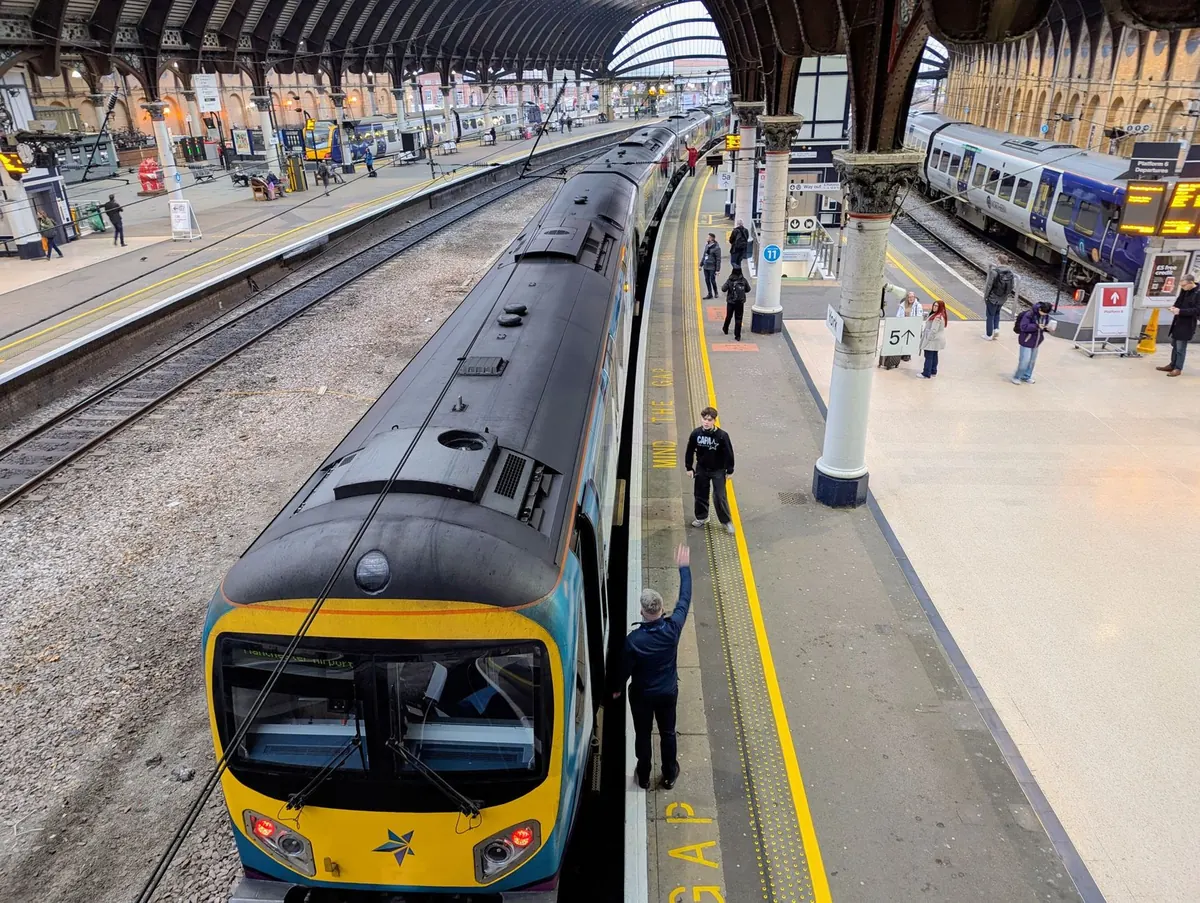
Somewhere between the romance of a rail pass and the reality of a Tuesday morning at Gare de Lyon, most first-timers hit the same wall. The pass itself is rarely the problem. It is the small print around it: seats you assumed were included, timetables that do not repeat every hour, and travel days activated too early or not at all. None of it is complicated once you know, but any of it can cost you a day, a fee, or an awkward conversation with a conductor at 7am.
These are the mistakes that come up again and again, and what to do instead.
The reservation trap that catches almost everyone
A rail pass is a ticket, not a seat. On many of Europe's fastest and most popular trains, the pass gives you the right to travel but not the right to board without a reservation — and those reservations are separate, limited, and usually not included in the pass price.
Spain, France and Italy are the classic trouble spots: high-speed travel there is effectively reservation-only. In Germany you can often board an ICE without one, though you may spend three hours standing in the vestibule. Eurostar and most international routes across the Alps or the Pyrenees also require a booked seat. Reservation fees vary by operator, route and season, so check the specific train rather than assuming a flat rate.
Night trains deserve their own warning. A couchette or sleeper berth is a reservation, not something you can turn up and claim, and popular overnight routes sell out weeks ahead in summer. If a night train is central to your plan, book it before you book anything else.
- Check whether your chosen route needs a reservation before you build the day around it.
- Book as soon as your dates are fixed — some operators open sales months in advance.
- Keep a slower, unreserved alternative in mind for sold-out days.
- Budget for reservation fees on top of the pass, especially on long high-speed legs.
Timetable errors: trains are not buses
It is easy to plan a route that looks tidy on a map and impossible on a timetable. Plenty of scenic and rural lines run two or three times a day, sometimes with no Sunday service at all. Miss the last connection and you are not waiting an hour for the next one; you are finding a hotel.
Two more habits worth adopting. First, check the station, not just the city. Paris has six major terminals, and the train to Barcelona leaves from a different one than the Eurostar. Rome has Termini and Tiburtina. Vienna has Hauptbahnhof and Meidling. Arriving at the wrong one costs more time than most people allow.
Second, re-check close to your travel date. Summer engineering works are common across France, Italy and Spain, and public holidays run Sunday timetables. A route that worked when you planned it in March may look very different in July. The operator's own website or app is the reliable source — third-party journey planners lag behind short-notice changes.
Activation and travel day slip-ups
This is where flexible passes quietly punish careless planning. A flexi pass gives you a set number of travel days, and a travel day is a calendar day, not 24 hours. Boarding at 22:00 and arriving at 08:00 the next morning still counts as one day, as long as you stay on the same train — but if you change trains after midnight, it can count as two. Night train rules vary between passes, so read the current conditions before you rely on them.
With a mobile pass, activate each travel day before you board, not the night before and not "just in case". An activated day you don't use is gone. If you are travelling with a paper pass, fill in the date in ink before boarding, in one go — crossings-out and corrections can invalidate it.
Two practical points that catch people out:
- Names and ID. The name on the pass must match your passport exactly, and you may be asked to show both together. Nicknames and middle-name omissions cause real problems.
- Battery. A mobile pass lives on your phone. Carry a power bank, keep the app updated before you leave, and don't rely on a screenshot, which is not a valid ticket.
Assuming the pass covers every train, bus and boat
Coverage is broad but not universal. Some private operators, scenic mountain railways, cable cars, city buses and ferries are either excluded or offer only a discount. Country-specific passes have obvious limits, but so do three-country passes: a route that cuts through a fourth country can leave you buying a separate ticket for the middle section.
Before you commit to a route, check the list of participating companies on the pass issuer's website. It takes five minutes and prevents the most annoying kind of surprise.
Packing the itinerary too tight
Five cities in five days sounds efficient and feels exhausting. Add station transfers, security-style queues on some high-speed services, and the twenty minutes you need before departure, and a leisurely-sounding journey eats a half-day. Leave slack, especially on the day you arrive and the day you fly home.
The opposite mistake is just as common: turning up in August with nothing booked and expecting a bed near the station in Venice or Barcelona. Passes are flexible; high-season accommodation and popular reservations are not. Fix the few nights that matter and stay loose everywhere else.
Before you board: a five-minute check
- Confirm every train on today's route, including whether it needs a reservation — and that you have it.
- Check the departure station name and the platform, not just the city.
- Activate the travel day only when you are actually travelling.
- Carry your passport, the pass, and any reservation confirmations together.
- Look at tomorrow's first and last connections now, while you still have options.
Do that, and the pass does what it promised: turns a rigid itinerary into a trip you can change your mind about. Rules and reservation policies do change, so treat the issuer's own guidance as the final word rather than a forum post from three summers ago.
Photo: Mike Norris / Pexels